Verified by Trustindex
A missed shot, unexpected error, poor call, lost point, or sudden momentum shift can change the way an athlete feels within seconds. One moment, everything seems under control. The next, confidence drops, attention moves to the scoreboard, and the athlete starts questioning skills that usually feel reliable.
Confidence shifts are a normal part of competitive sport. The goal is not to prevent every doubt or mistake. The goal is to develop mental skills that help athletes notice what is happening, regain control, and return their attention to the next performance opportunity.
Working with a Certified Mental Performance Consultant can help athletes build practical strategies for these moments. Ashley Strike of Strike Zone Performance supports athletes through mental performance coaching designed to help them perform with greater focus, composure, confidence, and consistency under pressure. These skills can apply across sports, including basketball, soccer, volleyball, swimming, and cheerleading.
Why Confidence Can Change So Quickly During Competition
Confidence during a game or event is influenced by more than the result of a single play. An athlete may be affected by fatigue, pressure from teammates or spectators, a previous mistake, an opponent’s success, or expectations about what should happen next. When attention becomes fixed on what has already happened or what might happen, the athlete can lose connection with the present moment.
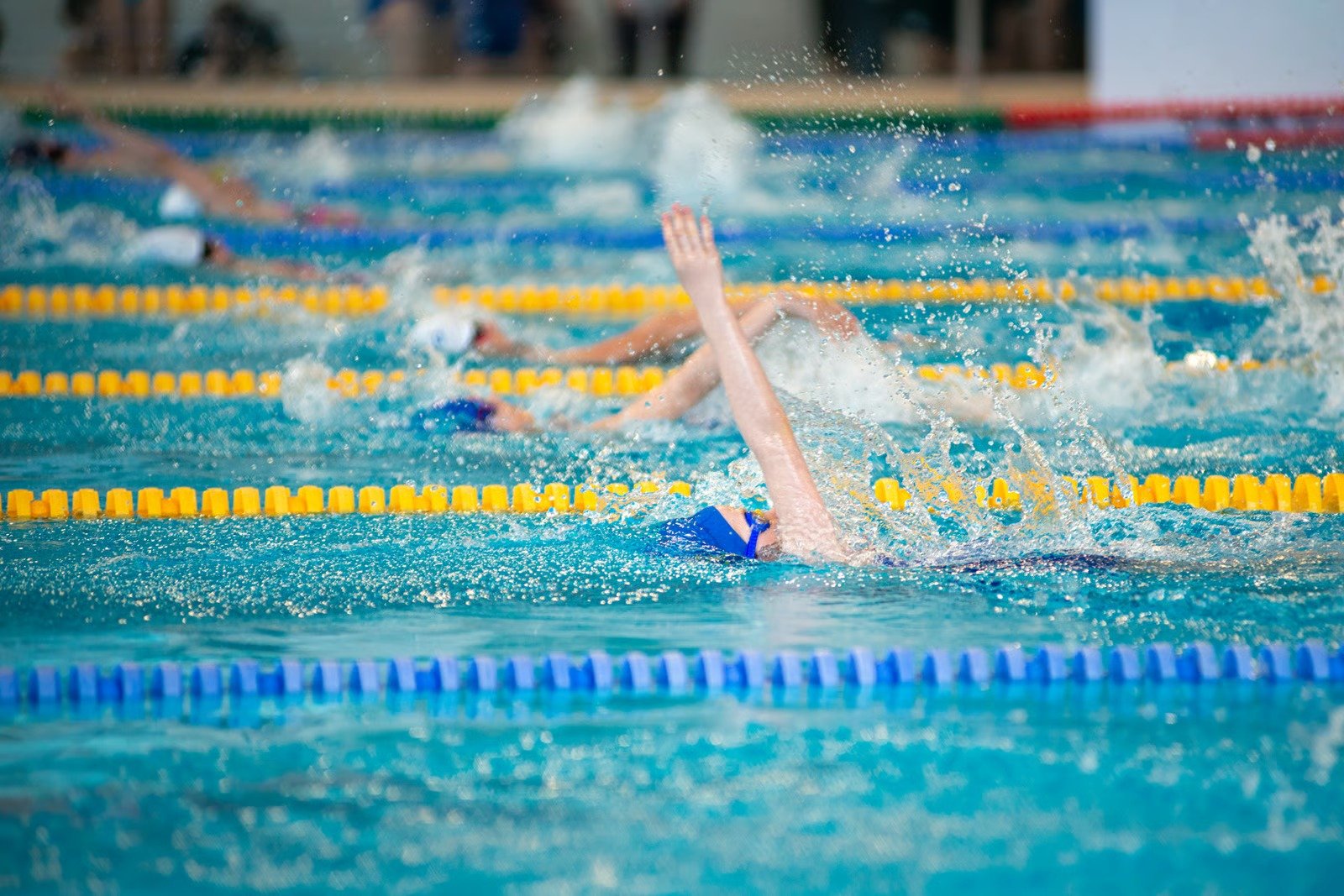
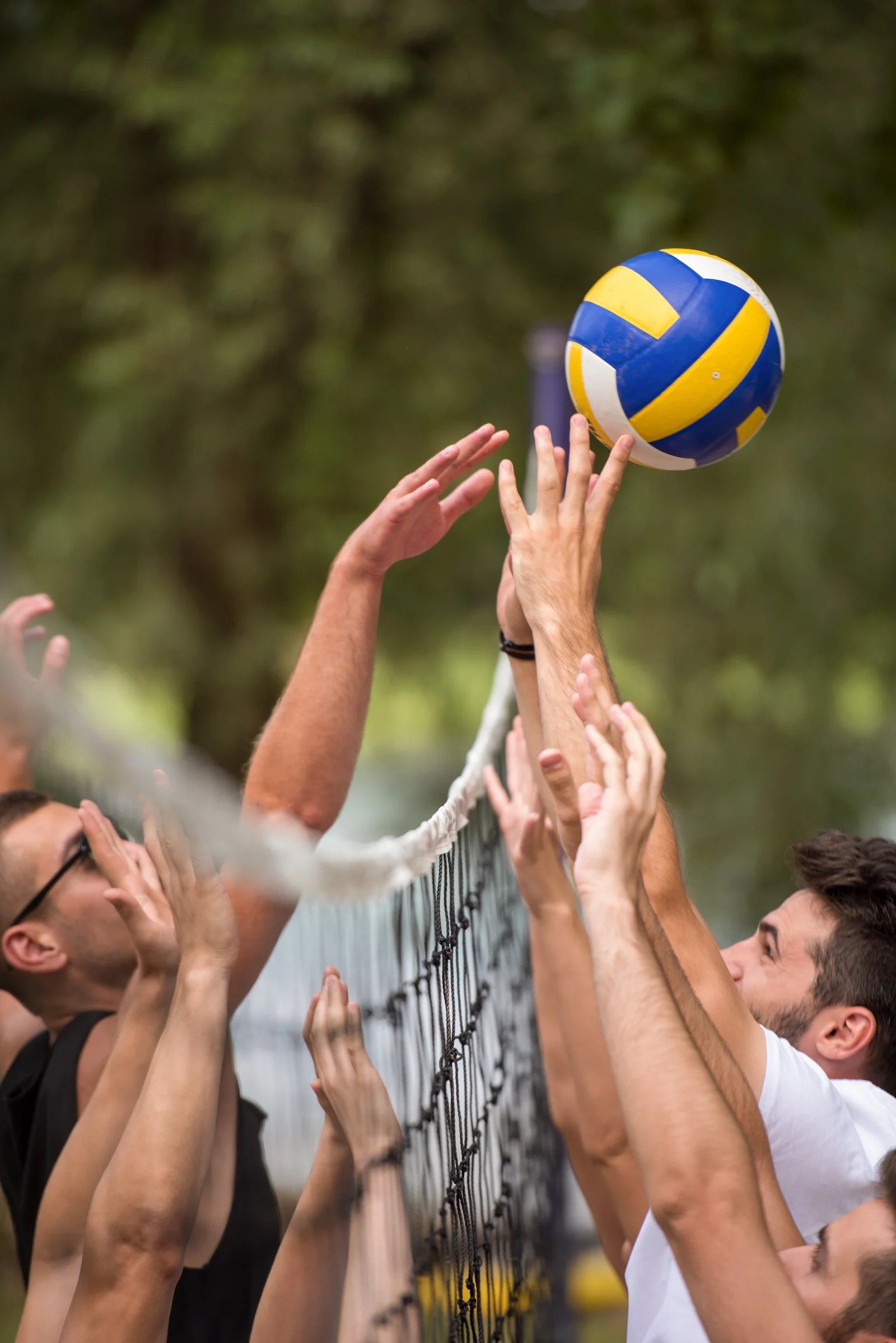
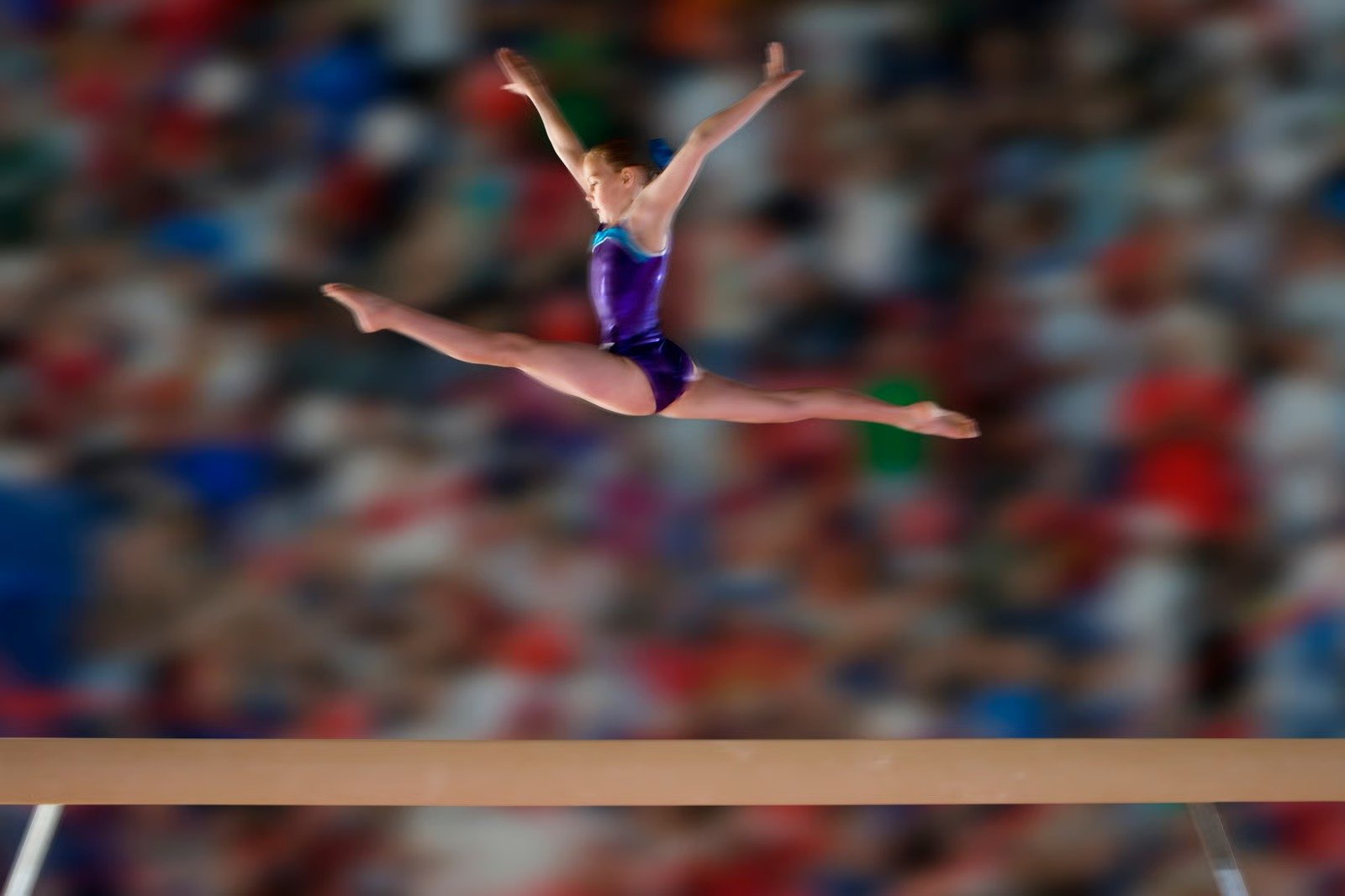
This is especially common in sports where decisions happen quickly. A basketball player may need to respond immediately after a turnover. A soccer player may have to recover after missing a scoring opportunity. A volleyball athlete may need to serve again after an error. A swimmer may need to maintain a race plan after a difficult start. A cheer athlete may need to regain composure and trust after an unexpected disruption.
Mental performance coaching helps athletes prepare for these situations before they happen. Instead of relying on confidence to appear automatically, athletes can use a repeatable process to refocus. The following five mental skills offer a strong starting point.
1. Awareness: Notice the Confidence Shift Without Judging It
The first step in refocusing is recognizing what is happening. Athletes cannot change a thought, emotion, or attention pattern they have not noticed. Awareness allows an athlete to identify a confidence shift early, before it grows into frustration, panic, hesitation, or disengagement.
Awareness is not the same as overthinking. It does not require an athlete to analyze every feeling during competition. Instead, it means briefly identifying the current state and recognizing whether it is helping or interfering with performance.
An athlete might notice:
- Thoughts such as I cannot make another mistake or We are losing control.
- Physical signs including a tight grip, shallow breathing, tense shoulders, or rushed movement.
- Attention focused on the referee, the opponent, the crowd, the scoreboard, or the last play.
- Changes in behaviour, such as avoiding decisions, moving cautiously, or abandoning a routine.
A simple internal label can create useful distance: confidence has shifted, attention is stuck on the last play, or pressure is showing up right now. Naming the experience can help the athlete respond deliberately rather than automatically.
With practice, awareness becomes faster and more useful. Athletes learn their personal signs of distraction and can begin their reset before the moment becomes more difficult. A Certified Mental Performance Consultant can help athletes identify these patterns and choose strategies that match their sport, role, and competitive environment.
2. Breathing and Composure: Regain Control of the Body
Confidence is affected by the body. When an athlete feels pressure, the body may become tense, breathing may become quick or shallow, and movement may lose its usual rhythm. These responses are natural, but they can make it harder to see options, make decisions, and execute skills with precision.
Intentional breathing can provide a short pause between the trigger and the response. It gives an athlete a physical way to settle, organize attention, and prepare for the next action. The goal is not necessarily to become completely relaxed. Competitive athletes need energy and readiness. The aim is controlled activation: alert enough to compete, composed enough to make effective decisions.
A simple reset may include:
- Taking one controlled breath before the next play or attempt.
- Relaxing the jaw, shoulders, hands, or other areas that commonly hold tension.
- Using a consistent exhale to reduce rushing and regain rhythm.
- Pairing the breath with a physical cue, such as standing tall, resetting the feet, or looking toward a clear target.
Breathing strategies are most effective when athletes practise them outside competition. If a technique is introduced for the first time during a high-pressure moment, it may feel unfamiliar or distracting. Mental performance training helps athletes develop a short routine that can be used during practices, games, races, and performances.
For swimming, a breathing and composure routine may support an athlete before the start or after a difficult race segment. In volleyball or basketball, it may happen between points or during a stoppage in play. In cheerleading, it may help an athlete prepare for a skill that requires trust, precision, and focus. The specific application changes, but the mental skill remains the same: use the body to support a return to control.
3. Refocusing: Direct Attention to What Matters Now
After a mistake, the mind often remains in the past. An athlete may replay the error, imagine how teammates reacted, or calculate how the result could have been different. After a confidence shift, attention may also move too far into the future, creating worry about the next play or the final outcome.
Refocusing means directing attention back to the present task. This does not mean ignoring the score or pretending the mistake did not happen. It means deciding what information is useful for the next action and allowing the rest to wait.
Helpful refocusing questions include:
- What is my role right now?
- What can I control on this play?
- What is the next simple action?
- Where does my attention need to be?
- What cue will help me execute?
Athletes can also use performance cues that are short, specific, and connected to action. Examples might include watch the ball, strong finish, see the target, quick feet, or trust the movement. A useful cue does not need to sound motivational. It needs to direct attention toward something the athlete can do.
This skill is particularly important in sports with constant decisions and momentum changes. A soccer player cannot change the last pass but can immediately adjust positioning. A basketball player cannot erase a turnover but can communicate and defend on the next possession. A volleyball athlete cannot replay the missed serve but can establish a consistent pre-serve routine. Refocusing turns attention from the result that already happened to the performance opportunity that is still available.
4. Self-Talk: Replace Unhelpful Messages With Useful Instructions
The internal conversation that follows a mistake can either support recovery or make the situation harder. Statements such as I always do this, I am going to lose, or I cannot handle pressure often increase tension and reduce attention to the task. They may feel automatic, but they are not always accurate or useful.
Effective self-talk is not about repeating exaggerated positive statements that the athlete does not believe. It is about using language that is realistic, direct, and connected to the next action. A strong performance statement may acknowledge the challenge while reminding the athlete what to do.
For example:
- Instead of I cannot make another error, use one play at a time.
- Instead of Everything is falling apart, use reset and communicate.
- Instead of I am not ready, use steady breath and trust the routine.
- Instead of I have to fix the score, use focus on this possession.
Self-talk can serve different purposes. Instructional self-talk directs technique or decision-making. Confidence-focused self-talk reinforces preparation and ability. Calming self-talk helps manage pressure. The right wording depends on the athlete and the situation.
Ashley Strike, a Certified Mental Performance Consultant at Strike Zone Performance, can help athletes examine the language they use under pressure and develop cues that feel authentic. The purpose is not to eliminate every negative thought. The purpose is to help athletes respond to those thoughts without allowing them to control the next performance decision.
5. Routines: Create a Reliable Path Back to Performance
A routine provides structure when emotions and confidence feel unpredictable. It gives an athlete a consistent sequence to follow before a serve, free throw, swim start, skill, shift, or next possession. A routine can help reduce hesitation because the athlete does not need to invent a response in the middle of pressure.
An effective reset routine is short enough to use in competition and specific enough to guide attention. It may include a physical action, a breath, a performance cue, and a clear commitment to the next task.
A basic routine might look like this:
- Recognize the shift: identify that frustration, doubt, or distraction has appeared.
- Reset the body: take a controlled breath and release unnecessary tension.
- Reconnect with the task: identify the next controllable action.
- Use a cue: select one short word or phrase that supports execution.
- Commit: make the next decision without continuing to debate the previous one.
The routine should be practised during regular training, not only saved for major competitions. Athletes can use it after small mistakes, during drills, and whenever attention begins to drift. Repetition helps the process become familiar, which makes it easier to access when pressure rises.
A reset routine can also support team communication. In basketball, soccer, and volleyball, an athlete may combine an individual reset with a clear communication cue to teammates. In swimming, the routine may be used before an attempt or between races. In cheerleading, it may support focus, trust, and composure before a demanding skill. Mental skills are most valuable when they fit naturally into the athlete’s actual environment.
Confidence Does Not Need to Be Perfect to Be Useful
Many athletes assume they must feel completely confident before they can perform well. In reality, confidence often changes throughout a game or event. An athlete can feel uncertain and still make a clear decision. They can feel nervous and still execute a routine. They can be disappointed by a mistake and still contribute effectively on the next play.
The aim of mental performance coaching is not to guarantee that doubt will never appear. It is to help athletes build the awareness, composure, focus, self-talk, and routines needed to respond when it does. Over time, this can create a more dependable form of confidence: confidence in the ability to handle difficult moments.
When athletes know how to reset, one mistake does not have to define the next play. A momentum shift becomes a situation to manage rather than proof that performance is falling apart. The athlete can return to the present, reconnect with their role, and give full attention to the opportunity in front of them.
Strike Zone Performance supports athletes who want to develop practical mental skills for competition. Ashley Strike works with clients to help them reach their full potential through mental performance coaching. Services are available in Ottawa, ON, Toronto, ON, and through online coaching sessions, making support accessible to athletes who want to strengthen their mental approach wherever they train and compete.
Whether confidence shifts after one mistake or gradually fades during a demanding event, athletes can learn how to respond with greater control. The next play is not a promise that everything will go perfectly. It is an opportunity to use the skills that have been practised and return to the performance that is still possible.
—
Build Mental Skills That Hold Up Under Pressure With Strike Zone Performance
Confidence, focus, composure, and resilience are skills athletes can develop with purposeful practice. If you or your athlete is looking for support with refocusing after mistakes, managing pressure, trusting skills, or performing more consistently, Strike Zone Performance can help. Ashley Strike, a Certified Mental Performance Consultant, provides mental performance coaching for athletes in Ottawa, ON, Toronto, ON, and through online coaching sessions.
Reach out to Strike Zone Performance today to learn more about coaching and take the next step toward a stronger, more reliable mental approach to sport.