Verified by Trustindex
Pressure has a way of making skilled athletes question abilities they have demonstrated many times before. A swimmer may overthink the start of a race. A basketball player may hesitate before taking an open shot. A soccer player may lose confidence after one missed opportunity, while a volleyball athlete may carry one error into the next point. The physical skills are present, but pressure can make access to those skills feel uncertain.
Trusting your skills under pressure does not mean feeling completely calm or never making mistakes. It means learning how to respond when nerves, doubt, fatigue, expectations, or a difficult situation appear. Mental performance training gives athletes practical tools to stay connected to their preparation and make effective decisions when the outcome matters.
Ashley Strike of Strike Zone Performance is a Certified Mental Performance Consultant who helps clients reach their full potential through mental performance coaching. With online coaching sessions available, athletes can develop a stronger approach to confidence, focus, composure, and performance under pressure from Ottawa, ON, Toronto, ON, and beyond.
Why Skilled Athletes Lose Trust Under Pressure
Most athletes do not lose their ability when pressure increases. More often, they lose access to the process that normally allows their ability to show up. Attention shifts away from the task and toward the consequences. Instead of seeing the next play, stroke, jump, or decision clearly, the athlete may think about the scoreboard, the audience, a coach’s reaction, or what a mistake could mean.
This change in attention can create a cycle. A challenging moment produces doubt, doubt creates tension, tension interferes with execution, and the result appears to confirm the original doubt. The athlete may then try to control every movement, avoid taking risks, or search for certainty before acting. Unfortunately, performance rarely improves when an athlete tries to monitor every detail in real time.
A mental performance consultant helps athletes understand this pattern without treating pressure as a personal weakness. Pressure is a normal part of sport. The goal is to build a reliable response to it.
- Outcome-focused thinking: Attention becomes fixed on winning, rankings, selection, times, scores, or other results instead of the next controllable action.
- Fear of mistakes: The athlete tries to avoid errors so strongly that decision-making becomes hesitant and less natural.
- Unhelpful self-talk: A single mistake leads to harsh internal criticism, predictions of failure, or doubts about preparation.
- Overcontrol: The athlete attempts to consciously manage skills that usually work best with clear, simple attention.
Recognizing these patterns is an important first step. The next step is learning how to redirect attention and respond with a repeatable performance routine.
Build Trust Through Preparation You Can Repeat
Confidence under pressure is not based only on positive thoughts. It grows when athletes know what they have prepared, understand what they can control, and have a plan for responding when performance does not go perfectly. Trust becomes more dependable when it is connected to actions rather than feelings.
An athlete may not always feel confident before a competition. That does not mean the athlete is unprepared. Confidence can be treated as a willingness to commit to the next action despite uncertainty. This approach allows athletes to perform without waiting for nerves to disappear.
One useful way to develop skill trust is to create a simple pre-performance and in-performance routine. The routine should be short enough to use consistently and specific enough to guide attention. It might include a breathing cue, a brief performance statement, one technical focus, and a clear reset action. The exact routine should fit the athlete, sport, and situation rather than become another complicated task to manage.
- Identify the controllables: Focus on preparation, effort, communication, body language, decision-making, and the next action rather than the final result.
- Use process cues: Choose brief words that direct attention to execution, such as compete, see the target, quick feet, or finish strong.
- Keep the routine consistent: Practise the routine during training so it feels familiar when competition pressure increases.
- Commit before certainty: Accept that doubt may be present while still choosing a clear action.
These steps are not about forcing confidence. They help athletes create conditions where confidence can support performance. With repetition, the athlete learns that pressure can be managed and that a moment of doubt does not have to control the next decision.
Use Self-Talk That Supports Performance
Self-talk affects where attention goes and how an athlete interprets a difficult moment. When self-talk becomes critical or absolute, it can make pressure feel larger. Statements such as I always fail here or I cannot make another mistake do not provide useful direction. They place attention on fear instead of performance.
Effective performance self-talk is clear, brief, and connected to something the athlete can do. It does not need to sound exaggerated. An athlete who does not believe an unrealistic statement may reject it immediately. A more useful statement may acknowledge the situation while directing action: stay with the next play, trust the work, breathe and respond, or compete for this moment.
The purpose of self-talk is not to eliminate every negative thought. Thoughts may appear automatically, especially during a close game or important race. The skill is noticing the thought without allowing it to become the instruction. Athletes can then replace unhelpful commentary with a cue that supports the next step.
For example, a volleyball player who misses a serve may think, I am letting everyone down. A productive response could be, reset, prepare for the next ball. A basketball player who misses a shot can shift from I cannot score today to defend, rebound, and take the next open opportunity. The new statement does not deny the mistake. It prevents the mistake from defining the rest of the performance.
Reset Quickly After Mistakes
Trusting your skills does not require perfect execution. Every sport includes mistakes, unexpected changes, missed opportunities, and moments when an opponent performs well. The difference between athletes who recover effectively and athletes who remain stuck is often the quality of their reset process.
A reset is a deliberate transition from what has already happened to what needs attention now. It can take only a few seconds, but it must be practised. Without a reset, an athlete may replay the mistake, predict another error, or carry frustration into the next opportunity.
A practical reset can include three parts. First, acknowledge the event without adding judgment. Second, release the physical tension through a breath, posture adjustment, or movement. Third, identify the next task. This process brings attention back to performance instead of allowing the mind to remain attached to the previous moment.
- Notice: Recognize what happened without turning it into a statement about your identity or ability.
- Release: Use a slow breath, relaxed shoulders, or a physical cue to interrupt tension and frustration.
- Refocus: Direct attention to the next role, decision, movement, or technical cue.
- Reconnect: Return to the team, race plan, game plan, or performance routine.
For swimmers, this may mean returning attention to the next length, stroke cue, or race strategy. For basketball and soccer players, it may involve recovering position, communicating, and making the next decision. For volleyball and cheerleading athletes, it may mean restoring focus, timing, communication, and trust after an error or disrupted moment.
Manage Pressure Without Trying To Eliminate It
A common mistake is believing that successful athletes should not feel nervous. In reality, pressure can produce physical energy, increased awareness, and a strong desire to perform well. Trying to eliminate every sign of nervousness can create another source of stress. The athlete begins monitoring breathing, heart rate, or thoughts and concludes that something is wrong.
A more effective approach is to interpret pressure as a manageable performance response. Nerves do not automatically predict a poor result. They can be present while an athlete follows a plan, makes decisions, and executes skills. The question is not whether pressure exists. The question is how attention and behaviour will be directed while it is present.
Breathing can support this process by giving athletes a simple way to slow down and return to the present moment. A steady breath may help reduce unnecessary tension, but it should not become a demand to feel perfectly relaxed. The goal is to create enough space to choose the next response.
Attention training also matters. Athletes can practise noticing when their focus has moved to the result or to other people’s opinions, then guide it back to a relevant cue. This is a skill that improves through repetition, just like a physical skill. It can be developed during practice, competition preparation, and mental performance coaching sessions.
Trust the Process in Different Sports
The details of pressure vary between sports, but the mental demands are familiar. Athletes must manage attention, confidence, mistakes, uncertainty, and decisions while performing skills they have worked hard to develop.
In swimming, races require discipline, consistency, concentration, and a response to fatigue. A swimmer can benefit from trusting a race plan rather than changing strategy because of early nerves or the position of another competitor. The focus may return to pacing, technique, and the next part of the race.
In basketball, pressure can change from possession to possession. Players need to recover after a turnover, remain ready after a missed shot, and make decisions while momentum shifts. A clear reset routine and process-focused self-talk can help players stay engaged instead of allowing one moment to affect the next.
In soccer, uncertainty and constant movement require players to make decisions without complete control over the situation. Trust may mean committing to a pass, recovering after a mistake, communicating with teammates, or staying patient when an opportunity has not yet appeared.
In volleyball, one missed serve or lost point can quickly affect confidence. Players need the ability to reset, communicate, and prepare for the next ball. Trusting skills includes trusting teammates and staying connected to the point-by-point process.
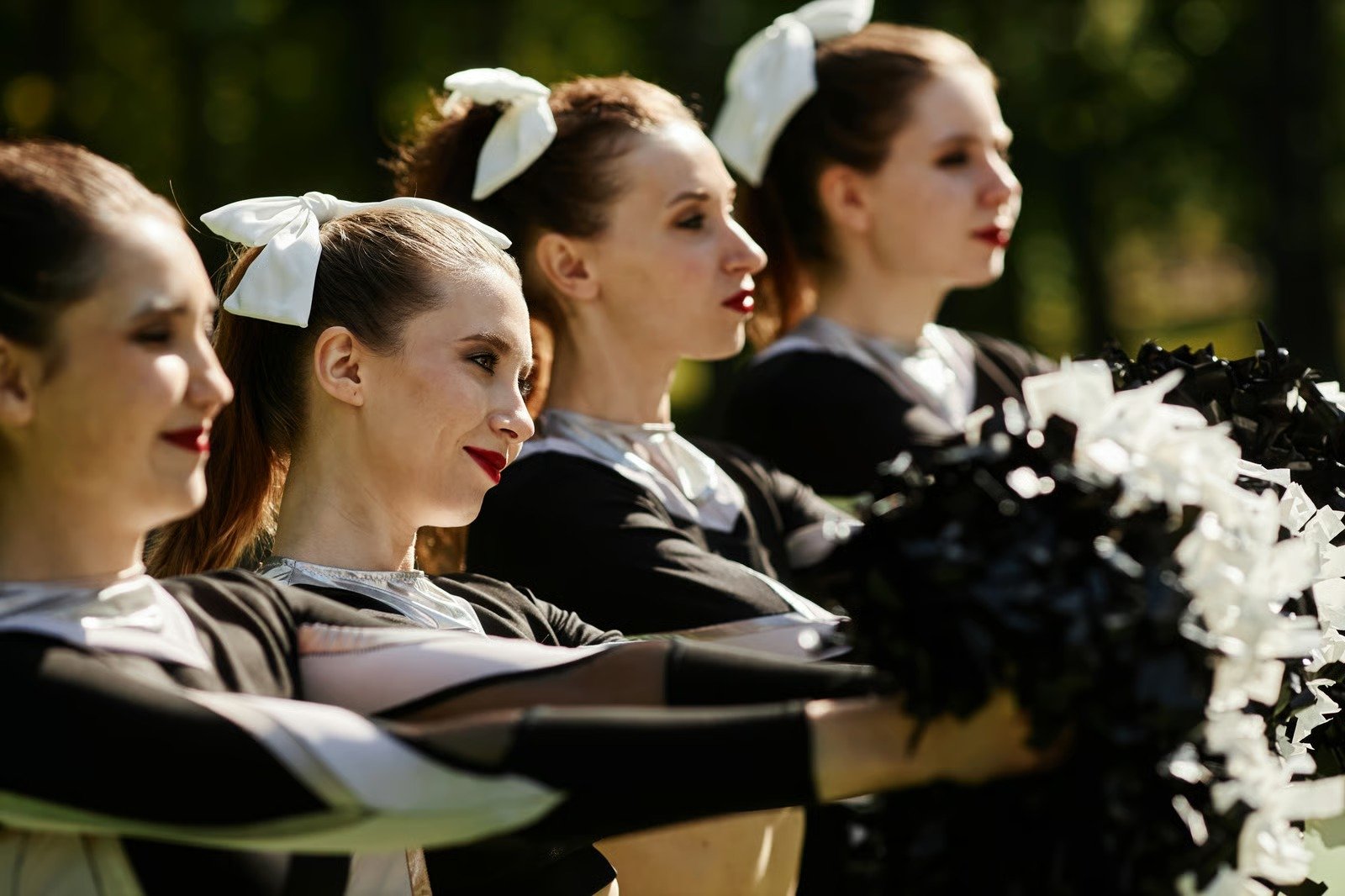
In cheerleading, precision, confidence, focus, composure, and trust are essential. Athletes perform challenging skills in front of an audience and must rely on themselves and their teammates. Mental performance strategies can support consistent preparation and a calm, committed response when pressure is high.
How Mental Performance Coaching Helps Athletes Trust Their Skills
Mental performance coaching gives athletes a structured setting to understand their performance patterns and develop strategies that fit their individual needs. Instead of relying on general advice, athletes can examine the situations where trust becomes difficult and identify practical ways to respond.
Working with a Certified Mental Performance Consultant can help an athlete clarify personal performance goals, recognize unhelpful thought patterns, practise attention control, build routines, and develop responses to mistakes and pressure. The work is not about creating a perfect mental state. It is about improving consistency and helping athletes make useful choices when conditions are challenging.
Online coaching sessions make mental performance coaching more accessible for athletes in Ottawa, ON, Toronto, ON, and other locations. The online format can support regular sessions and allow athletes to work on skills from a setting that fits their schedule. What matters most is consistent practice and a clear connection between the mental skill and the athlete’s performance demands.
Ashley Strike brings this focused approach to clients through Strike Zone Performance. Whether the pressure appears before competition, during a close game, after a mistake, or when expectations feel overwhelming, coaching can help athletes develop a more reliable performance response.
Make Skill Trust a Daily Practice
Trust is built through repeated evidence. Each time an athlete notices pressure, uses a reset, returns to a process cue, and commits to the next action, the athlete creates evidence of being able to respond effectively. The result may not always be perfect, but the response becomes more dependable.
Start with one simple skill. Choose a short performance cue, practise a reset after mistakes, or write down the controllable actions that matter most in your sport. Use the skill during training before expecting it to work automatically in competition. Over time, these small repetitions can change how pressure is experienced and managed.
You do not need to wait until you feel completely confident to trust your skills. You can act with purpose while nerves are present, recover after mistakes, and return to the work you have prepared to do. That is the foundation of performing with confidence under pressure.
When athletes learn to focus on the next controllable action, pressure becomes less of a verdict on their ability and more of a situation they can navigate. Mental performance training helps turn that approach into a practical, repeatable part of preparation.
—
Build Stronger Mental Skills With Strike Zone Performance
Trusting your skills under pressure is a trainable part of performance. If nerves, self-doubt, mistakes, or expectations are affecting your ability to perform consistently, Strike Zone Performance can help you develop practical mental performance strategies. Ashley Strike, a Certified Mental Performance Consultant, empowers clients to reach their full potential through focused mental performance coaching and now offers online coaching sessions for clients in Ottawa, ON, Toronto, ON, and beyond. Contact Strike Zone Performance to start building the confidence, focus, composure, and resilience needed to perform when it matters most.