


 Verified by Trustindex
 Certified Mental Performance Consultant: Gymnastics Workshops
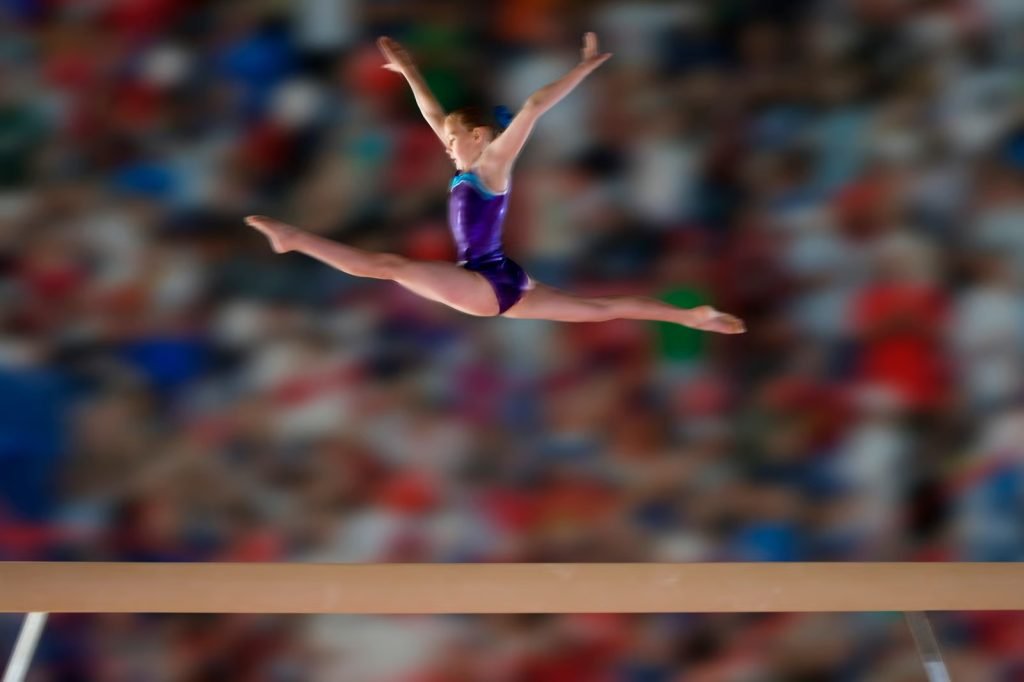
Gymnastics demands an exceptional combination of strength, flexibility, precision, focus, confidence, and body awareness. Athletes must perform complex skills with consistency while managing pressure, fear, mistakes, competition nerves, and high expectations. Mental performance training helps gymnasts develop practical mental skills to trust their training, manage pressure, stay focused, and perform with confidence.
Certified Mental Performance Consultant: Curling Workshops
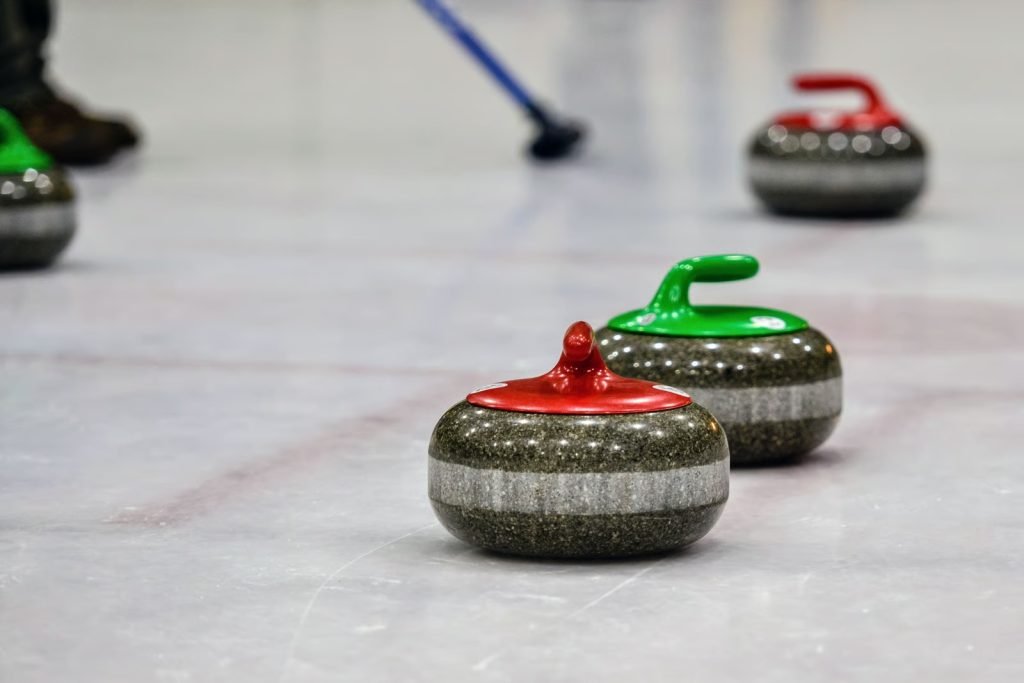
A game of precision, strategy, communication, patience, and composure. Every shot requires athletes to make decisions, manage pressure, adapt to changing conditions, and trust their execution. Mental Performance training helps curlers develop the mental skills needed to stay focused, communicate effectively, manage pressure, and perform consistently when the game is on the line.
Certified Mental Performance Consultant: Figure Skating Workshops

Figure skating demands a unique combination of technical precision, artistry, athleticism, focus, and confidence. Athletes must perform difficult skills and routines while managing nerves, expectations, mistakes, and the pressure of being judged. Mental Performance training helps figure skaters develop the mental skills needed to trust their training, manage pressure, stay present, and perform with confidence. Singles, pairs, ice dance, and synchronized skating
Certified Mental Performance Consultant: Swimming Workshops
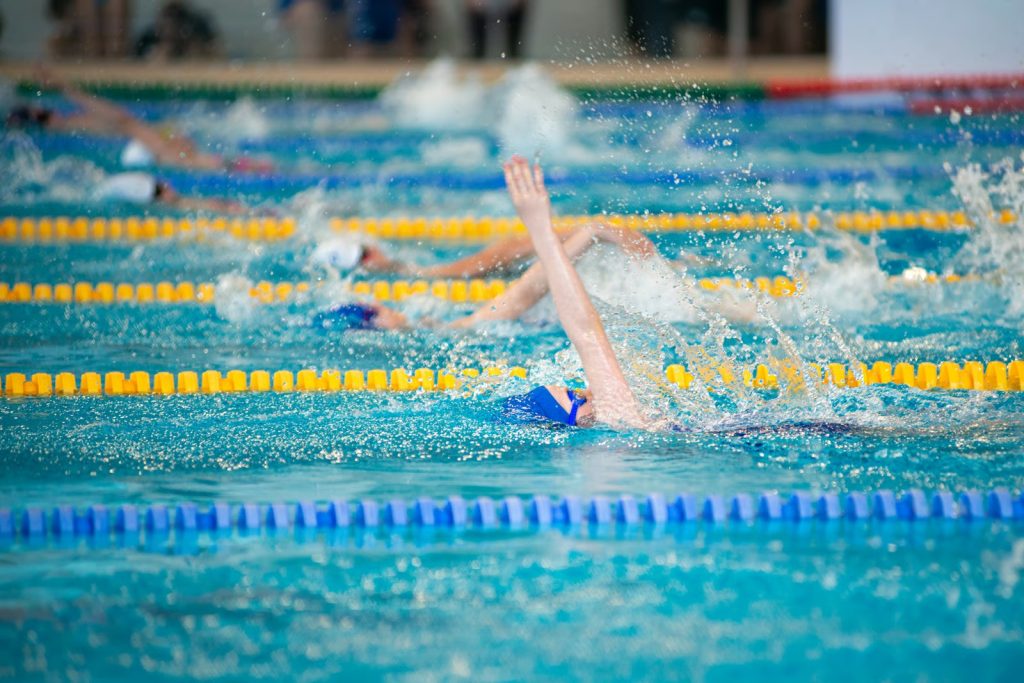
An individual sport that demands discipline, consistency, focus, and the ability to perform under pressure. Every race requires athletes to manage nerves, maintain concentration, respond to setbacks, and execute their race plan when fatigue sets in. Races can come down to fractions of a second, making the mental side of performance just as important as physical preparation.
Certified Mental Performance Consultant: Hockey Workshops
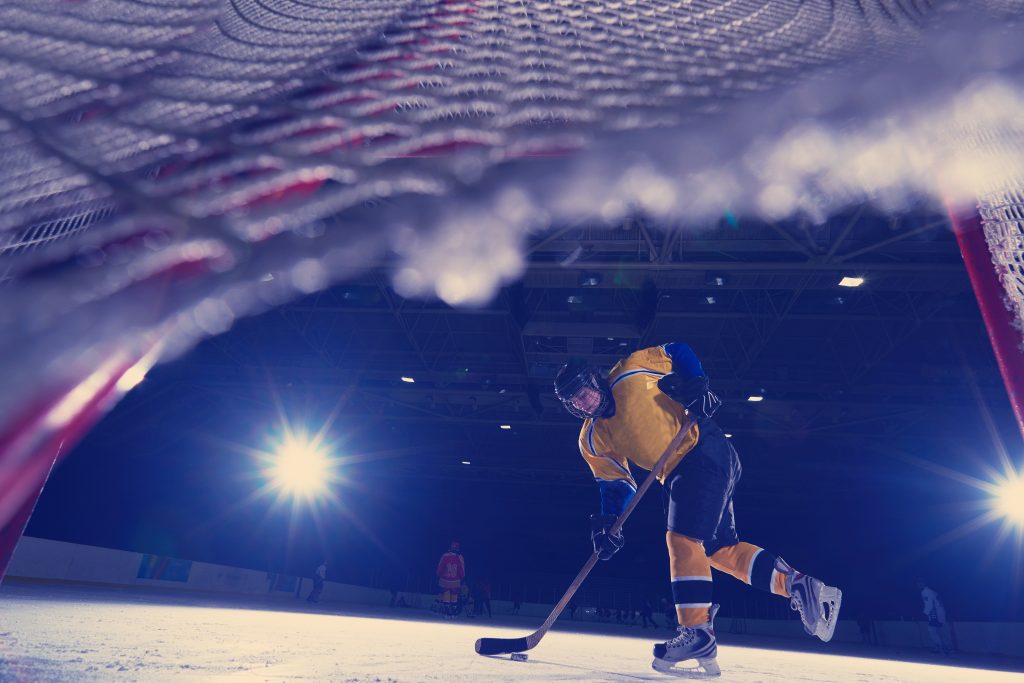
Hockey players spend countless hours developing skating, shooting, strength, and tactics. But when the game gets fast, physical, and unpredictable, the ability to stay composed, refocus after mistakes, manage pressure, and trust your skills can make the difference.
The 5 Worst Distraction Habits Ruining Competitive Focus

Five common habits that pull attention away from the next play, plus simple drills to help you reset, refocus, and compete more consistently.
How To Build Resilience For High-Pressure Moments: 5 Strategic Steps

Pressure can disrupt even a well-practised routine. Learn five ways to train resilience, recover after mistakes, and stay useful when the stakes rise.
6 Quick Wins To Reduce Performance Anxiety Before Games
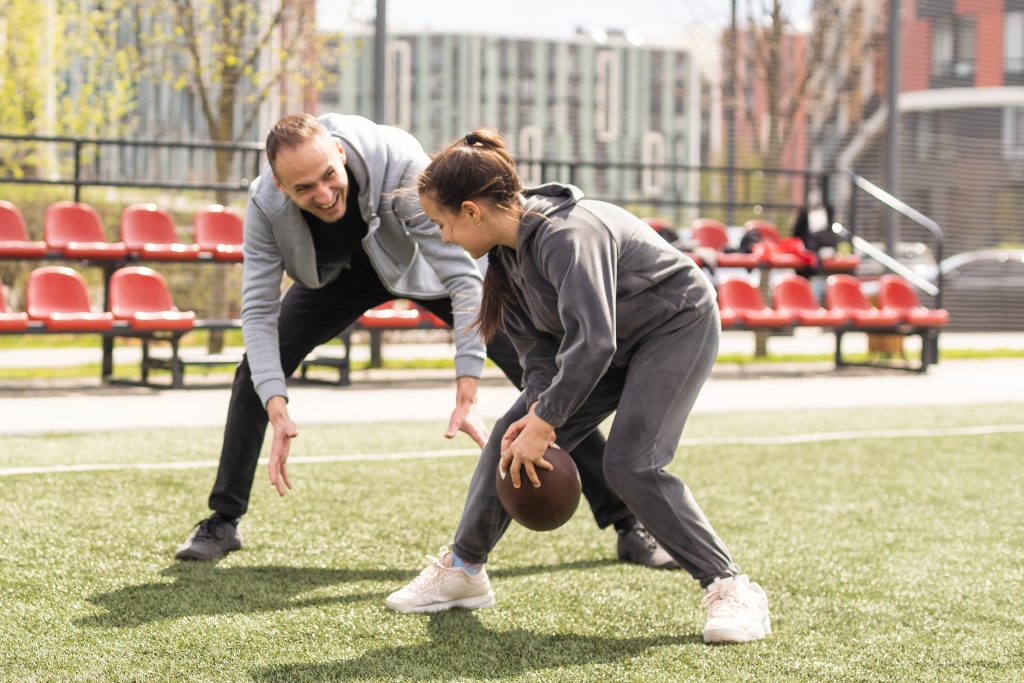
Six ways to handle pre-game nerves: slow the breath, narrow your focus, rehearse the opening moments, and reset after each play.
Coaching Near Me: 11 Mental Performance Strategies According To CMPC’s
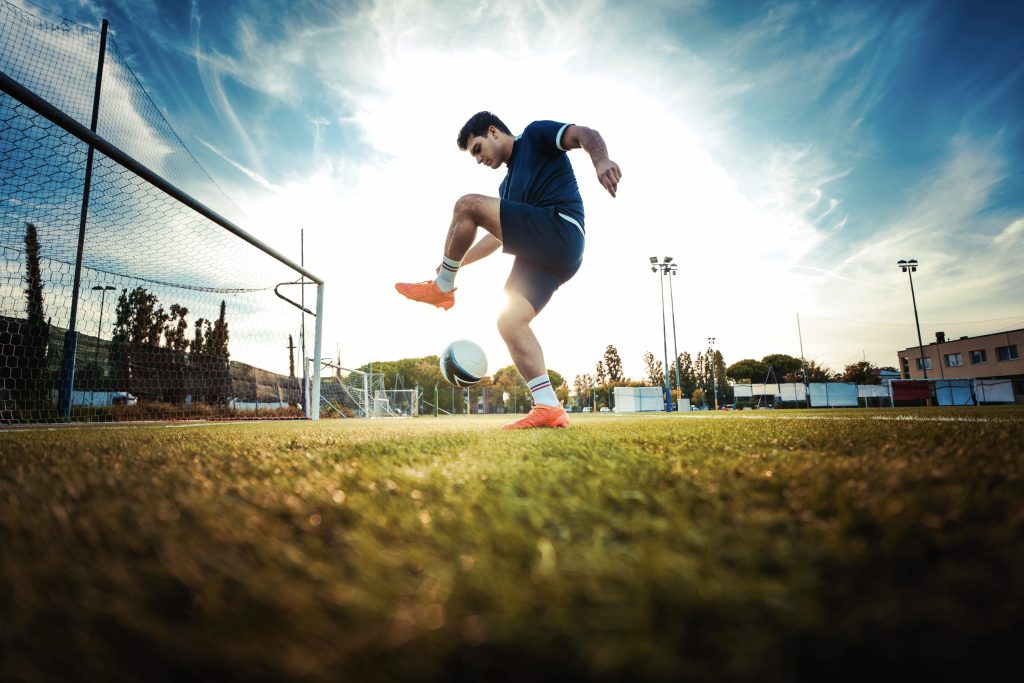
Practical, evidence-based mental performance strategies from a Certified Mental Performance Consultant to help athletes and high performers in Ottawa and Toronto perform with more focus, confidence, and consistency.
Certified Mental Performance Consultant: How To Build A Pre-Performance Routine In 5 Strategic Steps

Practical, sport-ready steps from a Certified Mental Performance Consultant to build a consistent pre-performance routine that improves focus, calm, and confidence—serving athletes and performers in Ottawa and Toronto with online coaching.

