


 Verified by Trustindex
 Certified Mental Performance Consultant: Basketball Workshops

A game of constant decisions, momentum shifts, pressure, and mistakes. Physical skill gets you on the court—but your ability to stay focused, composed, confident, and resilient can determine how you perform when the game is on the line.
Certified Mental Performance Consultant: Soccer Workshops

A game of constant movement, decision-making, pressure, mistakes, and uncertainty. A player can have the technical ability, fitness, and tactical knowledge—but performing consistently under pressure requires strong mental skills. Mental Performance training helps soccer players develop the mindset and mental tools to perform with confidence, composure, and consistency.
Certified Mental Performance Consultant: Volleyball Workshops
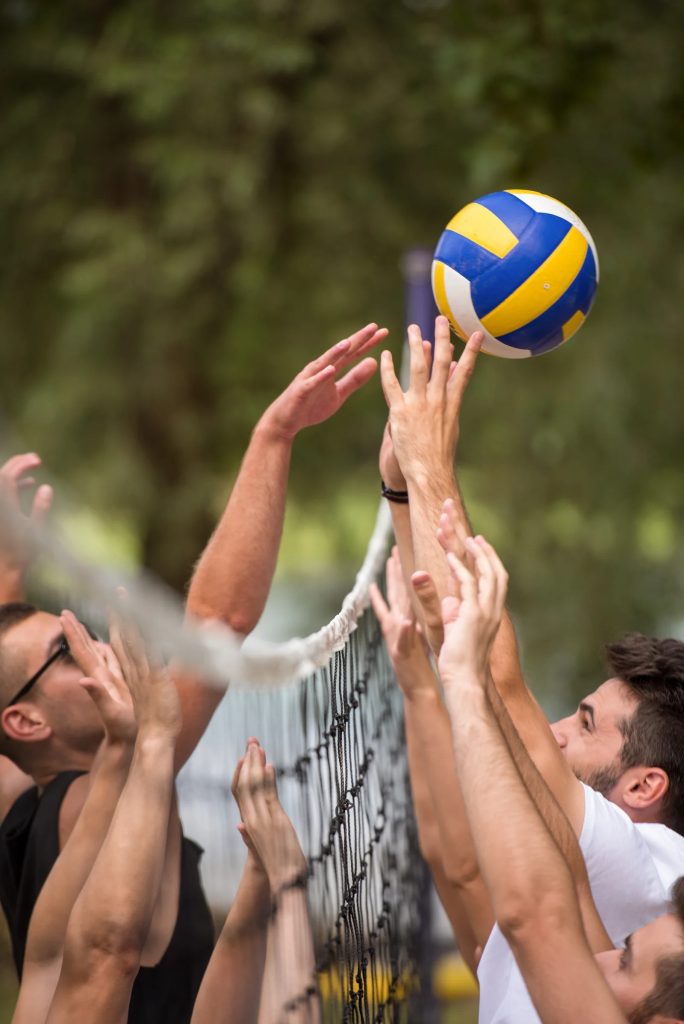
Volleyball is a fast-paced game where momentum can change in seconds. One missed serve, error, or lost point can quickly affect confidence and focus. The ability to reset, stay composed, communicate, and trust your skills is essential to consistent performance. Mental Performance training helps volleyball athletes develop practical mental skills to perform confidently and effectively under pressure.
Certified Mental Performance Consultant: Cheerleading Workshops
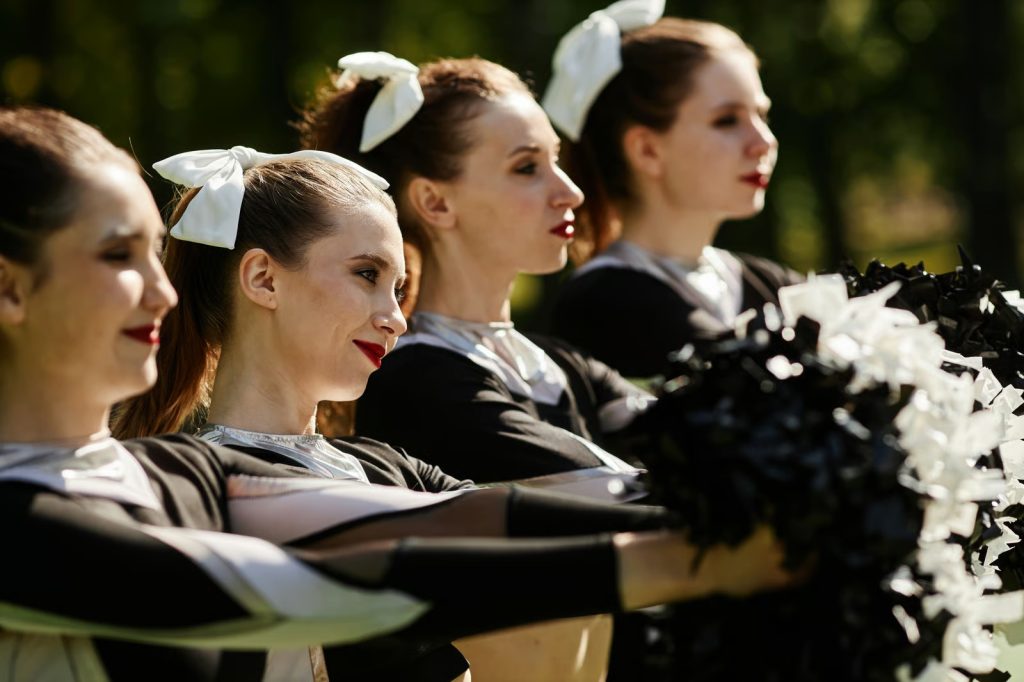
Cheerleading demands far more than physical strength and technical ability. Athletes must perform challenging skills with precision, confidence, trust, focus, and composure—often under intense pressure and in front of an audience. Mental Performance training helps cheer athletes develop the mindset and mental skills needed to perform consistently, manage pressure, and trust themselves and their teammates.
Certified Mental Performance Consultant: Baseball Workshops

Baseball is a game of failure, patience, pressure, and split-second decisions. A player can make the right swing, throw, or defensive read—and still experience failure. The ability to stay confident, reset quickly, control emotions, and remain focused is what allows athletes to perform consistently. Mental Performance training helps baseball players develop practical mental skills to compete with confidence and stay composed when the game gets challenging.
Certified Mental Performance Consultant: Rugby Workshops

7’s and 15’s programs: Rugby is a physically demanding and mentally challenging sport. Players must make decisions under pressure, manage fatigue, respond to mistakes, stay composed through physical contact, and remain connected to their teammates throughout the match. Mental Performance training helps rugby athletes develop the mental skills needed to compete with confidence, resilience, focus, composure, and purpose
Certified Mental Performance Consultant: Gymnastics Workshops
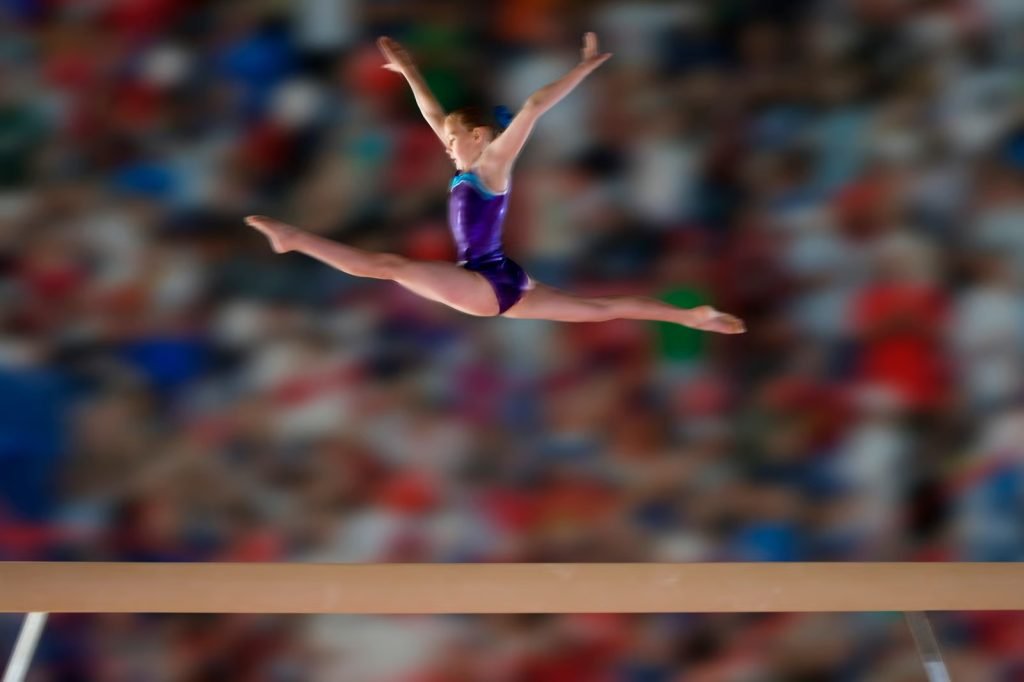
Gymnastics demands an exceptional combination of strength, flexibility, precision, focus, confidence, and body awareness. Athletes must perform complex skills with consistency while managing pressure, fear, mistakes, competition nerves, and high expectations. Mental performance training helps gymnasts develop practical mental skills to trust their training, manage pressure, stay focused, and perform with confidence.
Certified Mental Performance Consultant: Curling Workshops
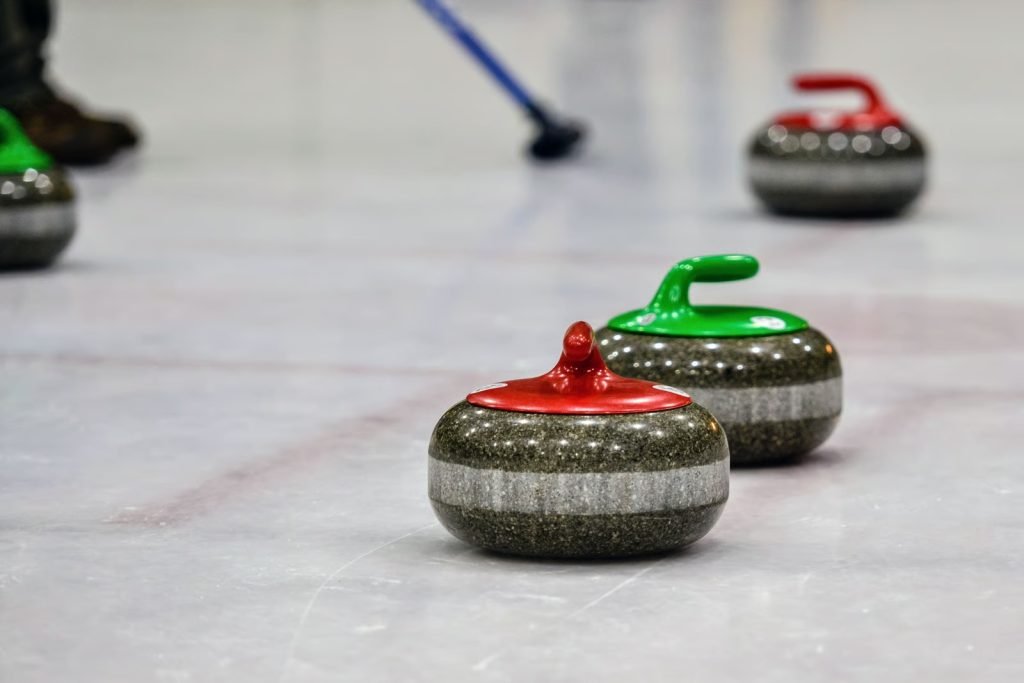
A game of precision, strategy, communication, patience, and composure. Every shot requires athletes to make decisions, manage pressure, adapt to changing conditions, and trust their execution. Mental Performance training helps curlers develop the mental skills needed to stay focused, communicate effectively, manage pressure, and perform consistently when the game is on the line.
Certified Mental Performance Consultant: Figure Skating Workshops

Figure skating demands a unique combination of technical precision, artistry, athleticism, focus, and confidence. Athletes must perform difficult skills and routines while managing nerves, expectations, mistakes, and the pressure of being judged. Mental Performance training helps figure skaters develop the mental skills needed to trust their training, manage pressure, stay present, and perform with confidence. Singles, pairs, ice dance, and synchronized skating
Certified Mental Performance Consultant: Swimming Workshops
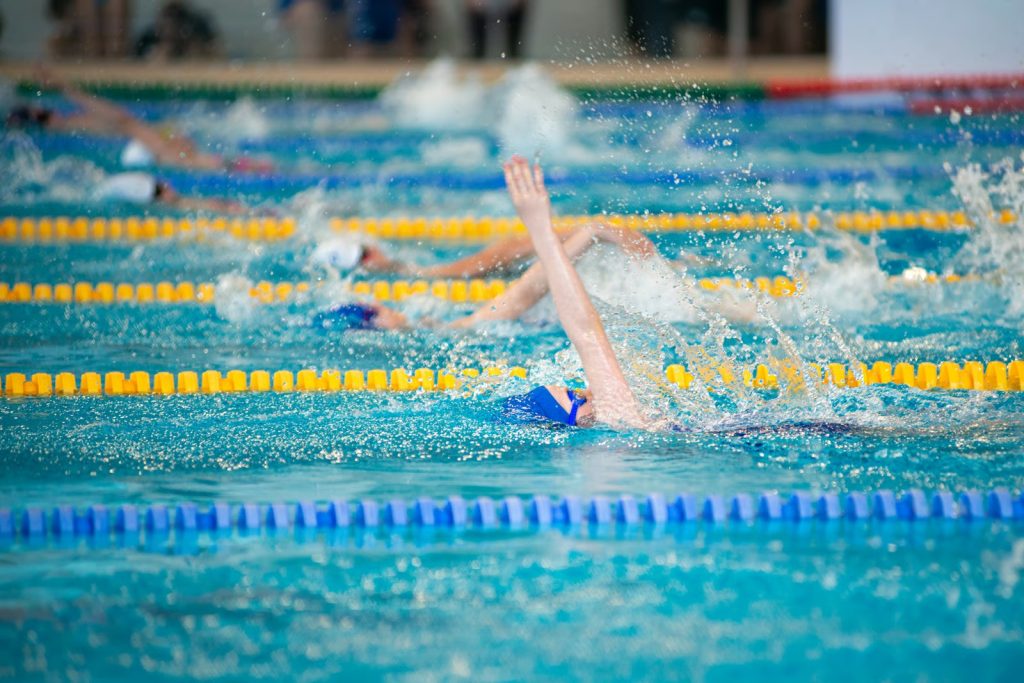
An individual sport that demands discipline, consistency, focus, and the ability to perform under pressure. Every race requires athletes to manage nerves, maintain concentration, respond to setbacks, and execute their race plan when fatigue sets in. Races can come down to fractions of a second, making the mental side of performance just as important as physical preparation.

