

 Verified by Trustindex

An athlete can spend months preparing physically for a competition and still feel unprepared when the moment arrives. The crowd gets louder, expectations become more noticeable, fatigue sets in, and one mistake can affect the next decision. At that point, physical training is only part of the performance equation. The ability to stay composed, focus on the task, manage nerves, and trust practiced skills becomes just as important.
Mental performance support in Toronto helps athletes build these skills before pressure takes over. Ashley Strike, a Certified Mental Performance Consultant, works with clients to strengthen the mental side of performance through practical coaching and sport-focused workshops. With online coaching sessions now available, athletes in Toronto and across Ontario can access support that helps connect everyday training with confident competition performance.
Why Mental Performance Matters Between Training And Competition
Training and competition place different demands on an athlete. During practice, athletes often have more time to repeat a skill, recover from an error, and try again. Competition is less predictable. There may be a limited opportunity to perform, a specific score or time to meet, an opponent making unexpected decisions, or a judging environment that adds pressure. Mental performance coaching helps athletes prepare for these moments instead of hoping confidence will appear automatically.
The goal is not to eliminate every nervous thought or guarantee a mistake-free performance. Pressure is a normal part of sport, and even experienced athletes can feel nerves. The goal is to develop reliable mental skills that help an athlete respond effectively when nerves, distractions, fatigue, or mistakes appear.
- Focus: Direct attention toward the next task rather than becoming consumed by the result, the audience, or a previous error.
- Composure: Stay steady when competition becomes fast, physical, unpredictable, or emotionally demanding.
- Confidence: Trust preparation and skills without needing every moment to feel perfect.
- Refocusing: Return attention to the performance after a mistake, distraction, or unexpected change.
These skills can be developed over time, just like technical and physical abilities. Mental performance support gives athletes a structured way to identify what happens under pressure and practise more useful responses. Instead of treating competition nerves or inconsistent focus as personal weaknesses, athletes can learn to understand their performance patterns and create strategies that fit their needs.
Mental Performance Coaching For Athletes In Toronto
Mental performance coaching is a practical process designed to help athletes perform closer to their potential. Sessions with Ashley Strike, a Certified Mental Performance Consultant, can help clients examine the mental demands of their sport, recognize challenges that affect performance, and develop strategies that can be used during training and competition.
For athletes in Toronto, online coaching sessions offer a flexible way to receive mental performance support without allowing distance or a busy training schedule to become an obstacle. Online coaching can be especially useful for athletes who travel, train at different facilities, or need support that fits around school, work, practices, and competitions. The setting may be online, but the work remains focused on the athlete’s real performance experiences and goals.
A coaching process may address questions such as what happens after a mistake, how attention changes when the score is close, what thoughts appear before a race or routine, and how an athlete responds when preparation does not immediately produce the expected result. These conversations can turn vague concerns into specific areas for practice.
- Managing pressure: Learn how to approach important moments with a clearer plan and a more controlled response.
- Responding to mistakes: Develop a mental reset that helps prevent one error from becoming several.
- Trusting skills under pressure: Build confidence in preparation so athletes can focus on execution when the moment matters.
- Maintaining concentration: Practise returning attention to relevant performance cues when distractions or fatigue appear.
Mental performance coaching is not about telling athletes to simply relax, try harder, or think positively. Those instructions can feel frustrating when an athlete is already working hard. Effective support is more specific. It helps athletes identify what they can control, choose useful performance cues, and practise responses that are realistic for their sport. Over time, these strategies can become part of the athlete’s preparation rather than something used only in a crisis.
Sport-Specific Mental Performance Support In Toronto
Every sport creates different mental demands. A hockey player may need to make a fast decision after a physical challenge or recover immediately after a turnover. A swimmer must stay committed to a race plan while fatigue increases and the clock continues to move. A figure skater must perform technical elements and choreography while managing nerves, expectations, mistakes, and the pressure of being judged. Mental performance support is most useful when it reflects these specific situations.
Strike Zone Performance provides sport-focused support for hockey, swimming, and figure skating through coaching and workshops. This allows athletes to explore mental skills in a way that connects with the demands of their training and competition environment.
Hockey Mental Performance Support
Hockey is fast, physical, and unpredictable. Players need to process information quickly, respond to changing situations, and maintain composure when the game becomes intense. A mistake can happen in a moment, but the mental response afterward can influence the next shift. Mental performance coaching can help hockey players refocus after errors, manage pressure, trust their skills, and stay engaged with the next play.
Hockey workshops can also help players understand how concentration and confidence affect performance throughout a game. Rather than allowing one shift, call, or missed opportunity to define the rest of the game, athletes can practise returning their attention to controllable actions and immediate responsibilities.
Swimming Mental Performance Support
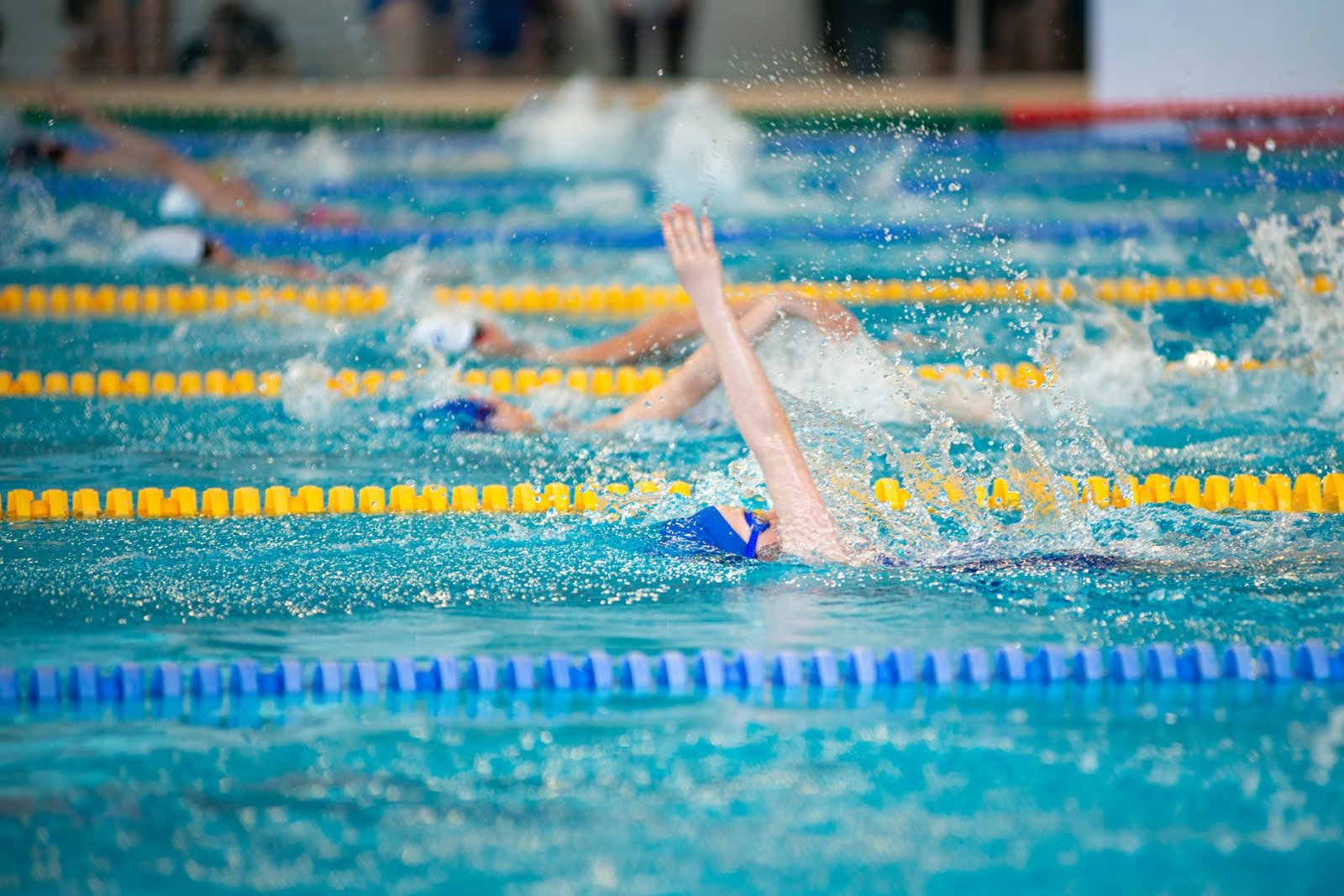
Swimming demands discipline, consistency, focus, and the ability to perform under pressure. Races can come down to fractions of a second, while fatigue makes it harder to maintain concentration and execute a race plan. Swimmers may also face nerves before the start, disappointment after a result, or difficulty staying focused when a race does not unfold as expected.
Mental performance coaching and swimming workshops can support swimmers as they develop strategies for pre-race nerves, concentration, race-plan execution, and responding to setbacks. The objective is to help swimmers stay connected to the task at hand and rely on preparation when pressure is high.
Figure Skating Mental Performance Support
Figure skating combines technical precision, artistry, athleticism, focus, and confidence. Singles, pairs, ice dance, and synchronized skating each present their own competitive demands, but athletes across these disciplines must perform difficult skills and routines while managing expectations and the pressure of being judged.
Mental performance support can help figure skaters stay present, trust their training, manage nerves, and respond constructively to mistakes. A mental plan can be especially valuable when an athlete needs to continue performing after an error rather than allowing one element to affect the entire routine.
- Hockey players: Prepare for fast decisions, physical intensity, mistakes, and changing game situations.
- Swimmers: Manage nerves, maintain concentration, and follow a race plan when fatigue sets in.
- Figure skaters: Perform with focus and confidence while managing expectations, judged performance, and mistakes.
- Sport participants at different stages: Develop mental performance skills that support training and competition demands.
Sport-specific support does not mean that every athlete receives the same formula. The useful strategies for a swimmer may differ from those used by a hockey player or figure skater. A Certified Mental Performance Consultant can help connect broad mental performance principles with the situations an athlete actually encounters.
Four Mental Skills To Practise Before Competition
Athletes do not need to wait until competition day to work on mental performance. Mental skills become more dependable when they are introduced during training and used repeatedly in situations that resemble competition. The following areas can provide a practical starting point for athletes preparing in Toronto or through online coaching sessions.
- Create a clear focus for each performance. Results matter, but athletes often perform more effectively when they identify controllable process cues. These may relate to the next play, the next length, the next element, or a specific technical intention. A clear focus can help reduce attention on distractions and bring the athlete back to the task.
- Plan a response to mistakes. Mistakes are part of sport. Before competition, athletes can decide how they want to respond after an error. A reset may include recognizing what happened, using a brief breathing strategy, identifying the next action, and returning attention to the present moment. The value comes from practising the response before it is needed.
- Use preparation as a source of confidence. Confidence does not require feeling completely certain. Athletes can build trust by reviewing the work they have completed, the skills they have practised, and the strategies they can use when pressure appears. This shifts confidence away from a demand to feel perfect and toward a decision to rely on preparation.
- Practise staying present under pressure. Pressure often pulls attention into the future or back toward the past. Athletes can practise noticing when this happens and redirecting attention to relevant cues. The aim is not to control every thought, but to repeatedly return focus to what can be done now.
These strategies are most effective when they are personal and realistic. A mental performance plan should fit the athlete, the sport, and the competition environment. Working with Ashley Strike can help clients develop strategies that are clear enough to use during real performance situations and flexible enough to adapt as their needs change.
Building A Consistent Mental Performance Routine
Competition performance is influenced by what happens before the event begins. A consistent mental performance routine can help athletes transition from preparation into execution. This routine might include identifying a focus, reviewing a response to mistakes, using a calming or energizing strategy, and selecting a simple cue for the first phase of performance.
The routine should not become another source of pressure. Athletes do not need a long checklist or a perfect emotional state before they can perform well. A useful routine is simple, repeatable, and designed to support attention. It provides a familiar structure when the competition environment feels different from training.
After competition, reflection can also support development. Instead of judging the entire performance only by the final result, athletes can consider how they managed focus, pressure, mistakes, and preparation. Questions such as the following may provide a more useful review:
- When was focus strongest, and what supported it?
- How did I respond when something did not go as planned?
- Which mental strategy helped me return to the task?
- What would I like to practise before the next competition?
This type of reflection can help athletes identify progress that a score, time, placement, or judging result may not show. It can also highlight specific areas where mental performance coaching may offer additional support.
From Preparation To Confident Competition Performance
The gap between training and competition is not only physical. It is also the gap between knowing a skill and trusting it under pressure, between making a mistake and responding effectively, and between feeling nervous and continuing to execute. Mental performance support gives athletes a way to prepare for these moments with intention.
For athletes in Toronto, Ashley Strike, a Certified Mental Performance Consultant, provides mental performance coaching and online coaching sessions that connect sport preparation with competition demands. Workshops for hockey, swimming, and figure skating offer additional opportunities to develop focus, composure, confidence, and mental reset strategies in a sport-specific setting.
Strong mental performance does not mean that an athlete will never feel pressure or make mistakes. It means the athlete has practical tools for managing those experiences and returning to the performance. With consistent practice and the right support, athletes can approach competition with greater clarity, trust their preparation, and stay engaged with the moment that matters.
—
Work With Strike Zone Performance To Strengthen Your Mental Game
When the next competition matters, physical preparation is only one part of being ready. Mental performance coaching with Ashley Strike, a Certified Mental Performance Consultant, can help athletes in Toronto and across Ontario develop practical strategies for pressure, focus, confidence, mistakes, and competition preparation. Online coaching sessions make it easier to access support while balancing training, school, work, and competition schedules.
Whether you are a hockey player managing the pace of the game, a swimmer preparing to execute a race plan, or a figure skater working to perform with confidence under judgment, Strike Zone Performance can help you build mental skills that transfer from training to competition. Reach out to learn more about mental performance coaching and sport workshops designed to help clients reach their full potential.